What to Expect at Your First Bespoke Fitting
A complete guide to your first bespoke suit consultation. From measurements to fabric selection, learn what happens at Finch & Co. and how to prepare.
What to Expect at Your First Bespoke Fitting
Walking into a custom tailor’s shop for the first time often feels like stepping onto a movie set. The unfamiliar environment, the rows of fabric bolts, and the prospect of making decisions that will shape a garment you’ll wear for years can trigger a specific kind of performance anxiety. We see this hesitation in successful business owners and homeowners alike who are used to being the experts in their own fields.
We have guided hundreds of clients through their first consultations at Finch & Co. The anxiety usually fades within minutes and is quickly replaced by the satisfaction of being heard. You are about to engage in a process that respects your time and your preferences in a way off-the-rack shopping never could.
Here is what to expect from the process and how you can maximize the value of your visit.
Before You Arrive
You do not need to study textile engineering to have a successful first consultation. A little strategic thinking beforehand will save you time and ensure the final result matches your lifestyle.
Think about the garment’s purpose. What specific problems does this suit need to solve? A bespoke suit for closing deals in boardrooms requires different durability than one intended for summer weddings. We recommend defining the “primary use case” before you walk in.
Consider your current wardrobe. Take a moment to assess what you already own. Which suits make you feel confident, and which ones sit ignored in the back of the closet? These observations give us valuable data on your fit preferences.
Wear a well-fitting shirt. This helps us assess how a jacket will sit over your usual dress shirts. A t-shirt or a baggy sweater hides your natural shoulder line and makes our initial visual assessment difficult.
Come with questions. Write them down if that helps. The most successful commissions happen when clients ask about durability, care, and fabric performance upfront.
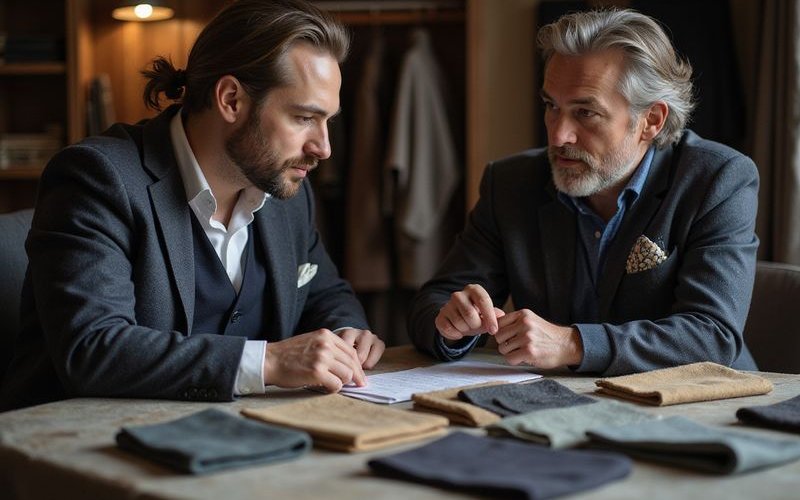
The Consultation: A Conversation First
A true custom experience begins with a conversation rather than a tape measure. We invest this time to understand the person who will be wearing the clothes.
We will discuss what brings you in and what your budget allows. This dialogue allows us to align our recommendations with your financial comfort zone, typically ranging from $1,500 for entry-level custom to $4,000+ for premium Italian fabrics.
I’ll ask about:
- Your daily environment. Do you spend hours sitting at a desk or driving? Do you travel frequently?
- Your aesthetic preferences. Do you prefer the structured, military-inspired shoulder of a British cut or the softer, relaxed drape of an Italian style?
- Your physical history. Do you have a history of shoulder injuries or lower back pain? These details change how we construct the pattern.
- Your timeline. When do you need the finished garment? A full hand-made process can take 8-12 weeks, so planning is essential.
This conversation typically takes 10-15 minutes. It establishes the “why” behind every measurement we are about to take.
Exploring Fabric Options
After our conversation, we will look at fabrics. This stage distinguishes a high-quality tailor from a simple salesperson.
At Finch & Co., we source wool suiting from historic mills like Holland & Sherry and Loro Piana. You will see bolts of cloth in weights ranging from lightweight tropical wools to substantial winter flannels.
California Climate Fabric Guide
Choosing the right weight is critical for comfort in our region. We use a “Grams per Square Meter” (GSM) or ounce system to categorize these fabrics.
| Fabric Weight | Imperial (oz) | Best Use Case for California |
|---|---|---|
| Tropical / Lightweight | 7-8 oz (210-240g) | Ideal for Los Angeles summers or year-round heat. Highly breathable. |
| Mid-Weight (Year Round) | 9-10 oz (260-300g) | The “Workhorse.” Perfect for AC-cooled offices and evening events. |
| Heavyweight | 11-13 oz (320g+) | Strictly for winter or travel to colder climates (e.g., New York, London). |
I’ll guide you through options that suit your specific needs.
- Everyday business suits benefit from high-twist wools that resist wrinkling during your commute.
- Summer commissions call for open-weave frescoes or linen blends that allow air to circulate.
- Special occasion garments might warrant a luxurious Super 150s wool which offers an incredible hand-feel but requires delicate care.
You will touch the fabrics to see how they drape. There is no pressure to decide immediately. We often encourage clients to take swatches home to see how the color reads in natural daylight.
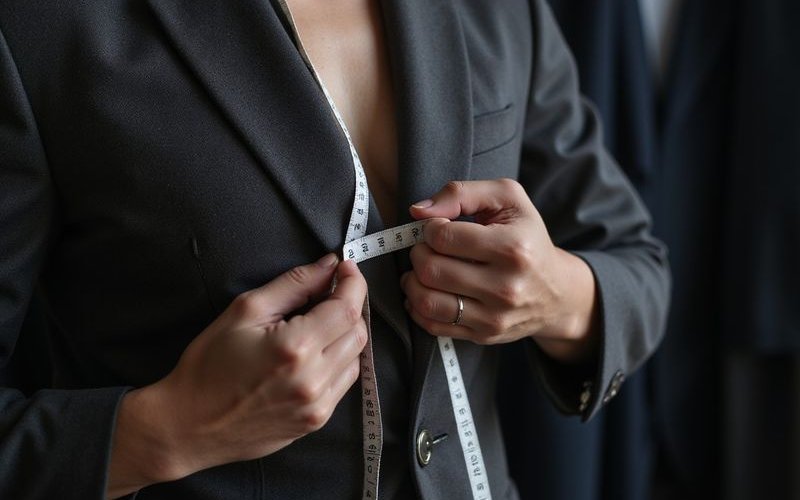
The Measurements
Now comes the technical foundation of the process.
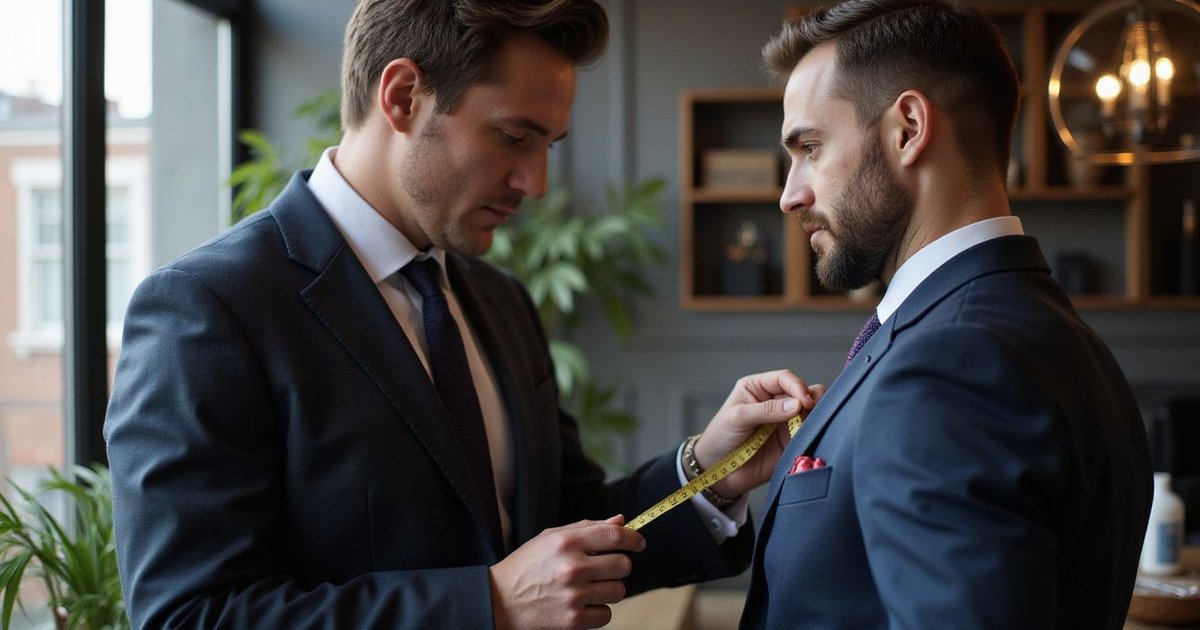
We will take over 30 distinct measurements, but the process is efficient and usually finishes in 20 minutes. You will stand naturally while I work around you with a tape measure to record the raw data of your physique.
Beyond the tape measure, I’m observing:
- Shoulder Slope: Most people have one shoulder lower than the other, often their dominant side.
- Head Posture: Frequent computer use often leads to a “forward head” posture that requires us to adjust the collar so it doesn’t gap.
- Stance: Do you lock your knees or stand with weight on one leg?
- Arm Pitch: The natural angle of your arm at rest dictates how we rotate the sleeve for a clean hang.
These observations matter as much as the numbers. A tape measure tells me your chest is 42 inches. My eyes tell me how that 42 inches is distributed and how to cut the fabric so you can reach for your phone without the jacket binding.
Style Decisions
With fabric chosen and measurements recorded, we will finalize the design details.
Lapels:
- Notch: The standard for business. Timeless and versatile.
- Peak: More formal and assertive. Draws the eye upward to broaden the shoulders.
Buttons:
- Two-Button Single Breasted: The gold standard for modern versatility.
- Three-Button: Offers a higher closure and more coverage, often seen in traditional academic styles.
- Double-Breasted: A bold statement that emphasizes the chest and waist.
Vents:
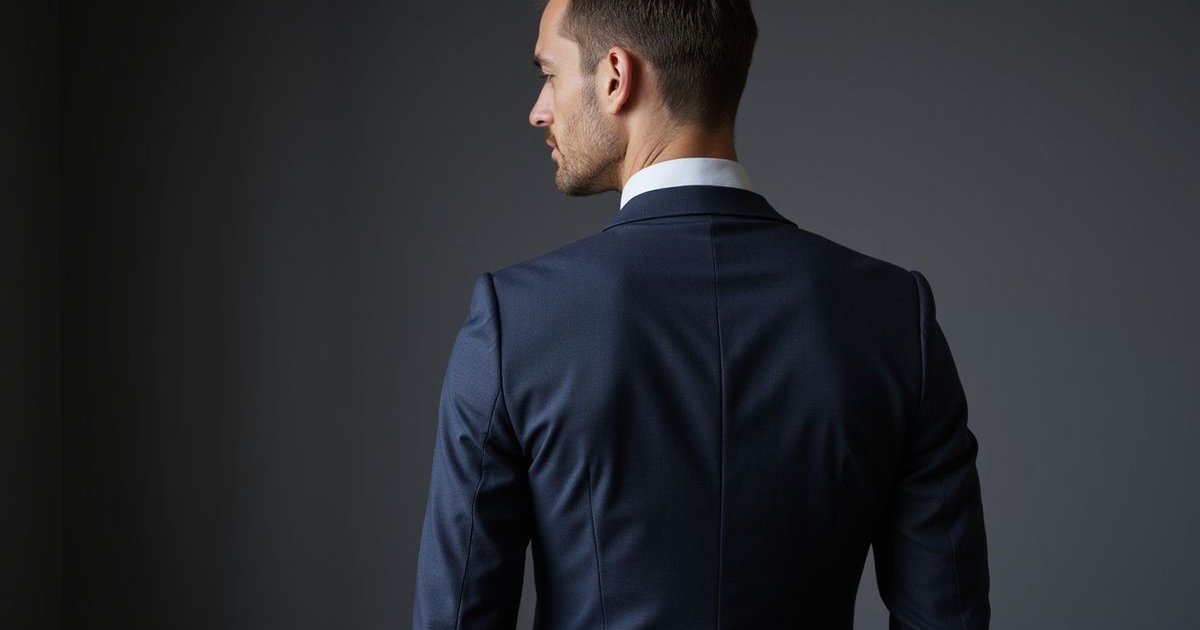
- Double Vent: The most functional choice. It allows you to put your hands in your pockets without ruining the jacket’s silhouette from behind.
- Single Vent: A simpler, older style often found on casual jackets.
- No Vent: Strictly for tuxedos and formal dinner jackets.
I’ll make recommendations based on our earlier conversation. These choices are yours to make, but we ensure you understand the functional trade-offs of each option.
What Happens Next
The consultation typically takes 45-60 minutes. You will leave with a clear understanding of the design, a locked-in price, and a production schedule.
We will then begin the drafting process.
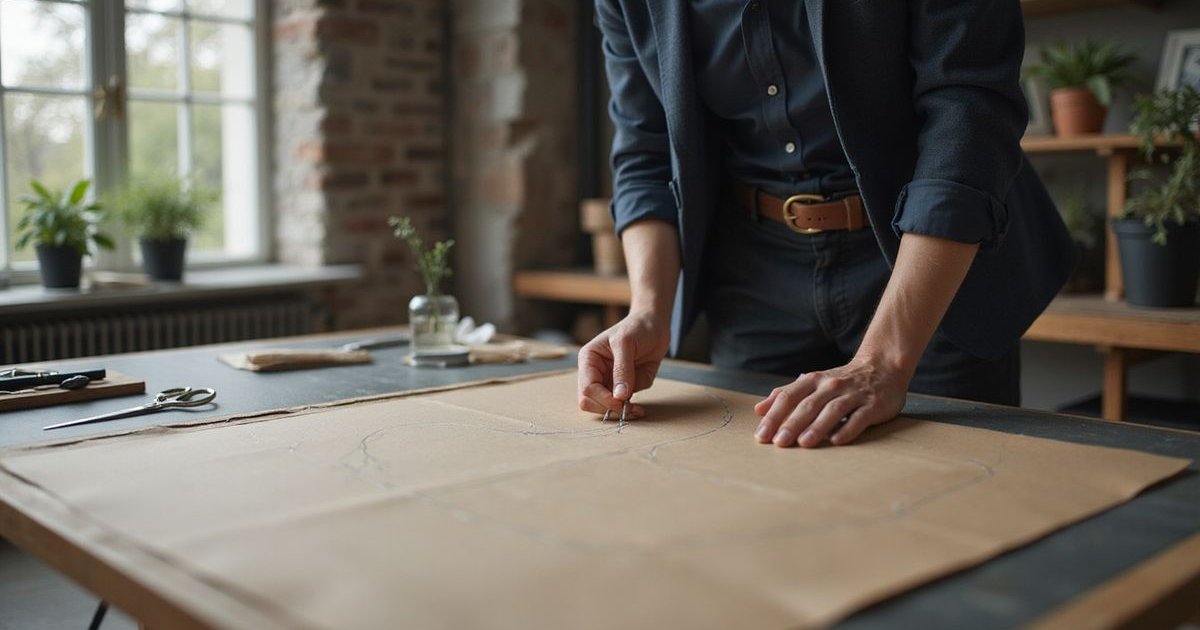
- Pattern Creation: We draft a unique paper pattern based on your body metrics.
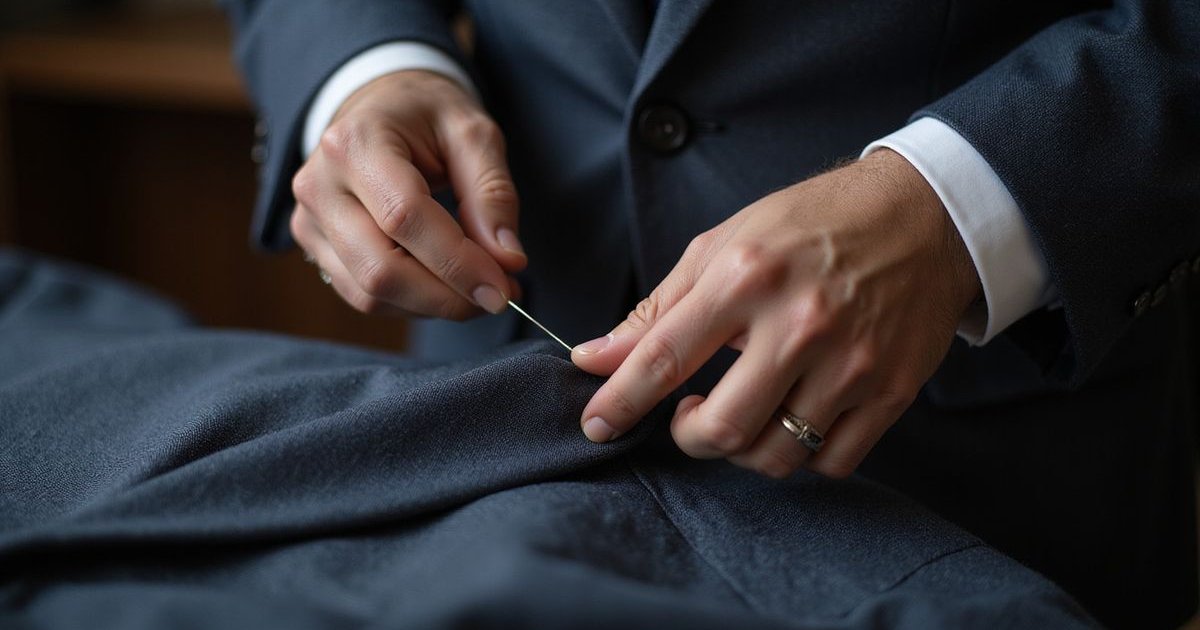
- The Baste Fitting (3-4 weeks later): You will return to try on a “skeleton” version of your suit held together with white basting thread. This allows us to rip seams and adjust the balance perfectly before the fabric is cut for good.
- Final Construction: After the adjustments are marked, our tailors finish the garment by hand.
The first fitting is where you will see your suit taking shape. It is the moment the theoretical design becomes a tangible reality.
A Few Final Thoughts
The best thing you can do at your first consultation is to relax and be honest about what you want. Tell me if you hate tight trousers. Tell me if you get hot easily.
This process is a collaboration. The more candid data you provide, the more precise the final product will be.
There is no obligation to proceed after the initial chat. A first consultation is simply a discovery session to see if our approach aligns with your needs. Book your complimentary consultation and let’s talk about what we can create together.
David Finch
Master tailor with Savile Row training. David brings over a decade of bespoke craftsmanship to every garment.