Is This Garment Worth Altering? An Honest Assessment Guide
How to evaluate whether alterations make sense. Learn the alterations that transform a garment versus those that aren't worth the cost.
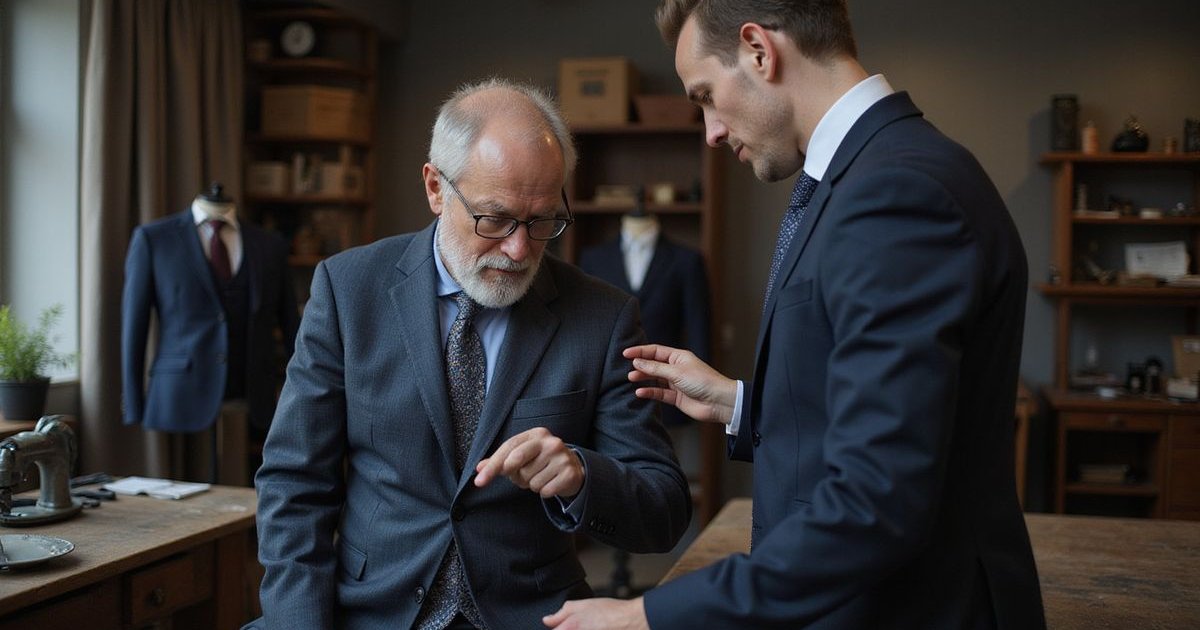
One of the most common questions clients bring to our door is simply asking if an item is worth saving. It is a fair inquiry that deserves a calculation based on data rather than a reflexive “yes” that puts money in our pocket.
Not every garment should be altered. In our experience across California, we frequently see alteration costs exceeding a garment’s actual market value. Sometimes the fit issues simply cannot be corrected due to structural limitations. Other times, a garment has lived a good life and deserves retirement.
Here is how we evaluate whether alterations make financial and practical sense for your wardrobe.
The Cost-to-Value Calculation
Start with simple math by asking what the alterations cost compared to what the garment is worth.
We recommend applying the “50% Rule” generally used in asset management. If the cost of the repair or alteration exceeds 50% of the garment’s current replacement value, you should likely reconsider the investment.
Clear-cut cases for California pricing:
- $300 alterations on a $100 off-the-rack suit. This is rarely a smart allocation of funds.
- $95 alterations on a $2,000 custom suit. This maintains a high-value asset and is absolutely worth it.
- $150 alterations on a $500 suit you love. This falls into the “worth considering” category depending on wear frequency.
But value goes beyond the sticker price. You must also weigh intangible factors.
Sentimental value: Your grandfather’s wedding suit has value beyond its market price. Quality restoration might be worthwhile even if the suit is not expensive, as family heirlooms are irreplaceable assets.
Irreplaceability: A vintage find from a shop on Melrose or discontinued fabric that cannot be replicated might justify a significant alteration investment. Scarcity drives value in wardrobes just as it does in real estate.
Fit potential: A suit that will fit perfectly after alterations is worth more than one that will fit “better but not great.” The utility value of a garment you actually wear is infinitely higher than one that sits in the closet.
Alterations That Transform
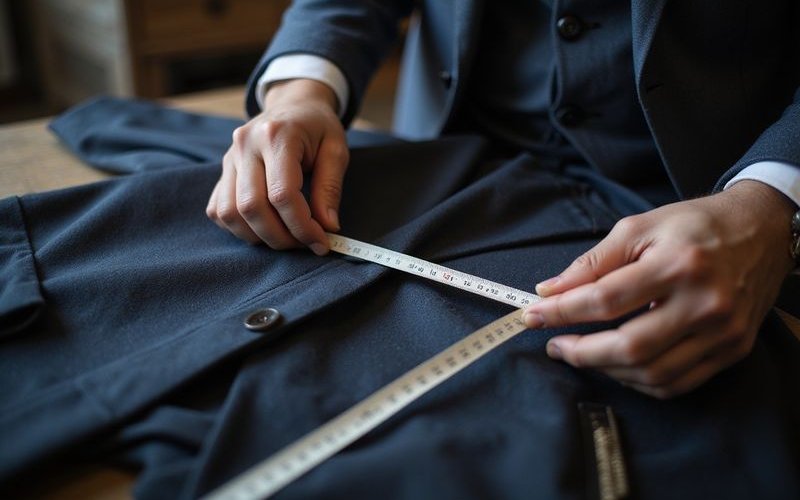
Some alterations deliver dramatic improvements with a high return on investment.
Hemming trousers: This is a standard $25-$45 alteration in California that immediately improves your appearance. We consider this mandatory for any garment you intend to wear regularly.
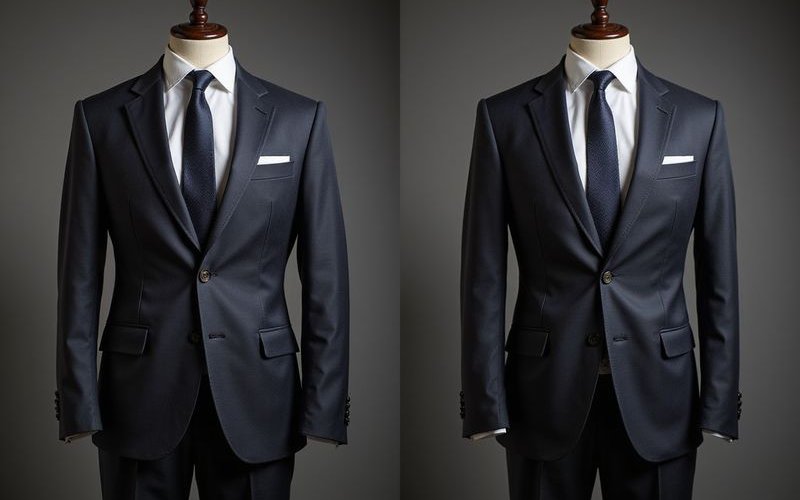
Taking in a jacket waist: If the shoulders fit but the body is too full, waist suppression transforms the silhouette. Spending $65-$120 here is money well spent on a quality garment, as it creates a tailored look indistinguishable from custom work.
Shortening sleeves: Proper sleeve length makes any jacket look significantly more expensive. Expect to pay $45-$85 for a major visual improvement.
Tapering trouser legs: Modern slim cuts age out baggy trousers. Investing $50-$90 to update the leg width can extend the life of a suit by five years.
These alterations work because they adjust areas where the original construction accommodates change. Seam allowances exist for this exact purpose.
ROI on Common Alterations
| Alteration Type | Est. Cost (CA) | Visual Impact | Verdict |
|---|---|---|---|
| Hemming Pants | $25 - $45 | High | Essential |
| Waist Suppression | $65 - $120 | Very High | Recommended |
| Sleeve Shortening | $45 - $85 | High | Recommended |
| Tapering Legs | $50 - $90 | Medium | Style Dependent |
Alterations That Have Limits
Some alterations are technically feasible but come with strict constraints.
Letting out a jacket: This is only possible if seam allowances exist and only by the amount those allowances permit. Most manufacturers leave 1-1.5 inches maximum. You must also check for fade lines where the original seam was, as dry cleaning often sets the color differently on exposed fabric.
Shortening a jacket: This is possible but changes the proportion of pockets and details. Removing more than one inch usually throws off the “balance” of the jacket, making the pockets look too close to the bottom.
Shoulder narrowing: We can do this, but it is expensive and complex labor. The cost often exceeds $150, and the structural changes may not fully achieve the desired result on certain jacket constructions.
Taking in trouser waist: This is limited by back seam construction and pocket placement. Reducing a waist by more than 2 inches often causes the back pockets to meet in the middle, which ruins the aesthetic.
For these alterations, a skilled tailor assesses the specific garment and tells you what is actually achievable.
Alterations That Are Usually Not Worth It
Some alterations represent a poor value proposition.
Widening shoulders: This is virtually impossible. The shoulder line is the foundation of a jacket, and changing it means rebuilding the entire garment from scratch.
Significant size changes: Taking in four inches or letting out three inches is rarely practical. The proportions become distorted even if the seams technically permit the change.
Fixing bad original construction: If the jacket was poorly made originally, alterations act as a band-aid rather than a fix. You are essentially polishing brass on a sinking ship.
Outdated styling: Changing a double-breasted jacket to single-breasted or removing peaked lapels requires making a new jacket. We advise you to simply buy something you actually like instead.
The Fabric Question
Fabric condition matters enormously when assessing long-term value.
Signs of life left:
- Fabric springs back immediately when pinched.
- No visible wear exists at stress points like the crotch or elbows.
- Color remains even throughout the garment.
- No moth damage or mildew is present.
Signs of retirement:
- Shiny patches appear at elbows, seat, or collar (indicating fused fibers).
- Fabric feels thin or brittle to the touch.
- Visible wear patterns distract from the garment’s line.
- Faded areas exist that would be exposed by letting out seams.
Altering a garment with worn fabric is often a waste of capital. The alterations will outlive the fabric, and you will be disappointed when the suit fails shortly after investing in it.
Questions to Ask Yourself
Before bringing a garment in for alterations, consider these functional questions.
Will I actually wear this? Alterations on something that lives in your closet are wasted funds. Be honest about whether this garment fits your current lifestyle or business needs.
Is the style something I genuinely like? Altering the fit does not change the color, pattern, or overall aesthetic. We advise against investing in something you are lukewarm about just because it was a “good deal.”
Am I hoping alterations will make this perfect? If the garment needs multiple significant alterations to be acceptable, you might be better off investing in something that fits from the start. “Project cars” are rarely efficient daily drivers.
What is my realistic alternative? If you could buy a better-fitting replacement for the cost of alterations plus the original purchase, that is usually the smarter financial choice.
When to Seek a Tailor’s Opinion
Bring the garment in when you need a professional audit.
- You cannot tell whether the fabric has enough life left.
- You are unsure what alterations are actually possible given the construction.
- The sentimental or monetary value is significant.
- You have been frustrated by fit issues but love the garment.
A good tailor acts as a consultant. At Finch & Co., our alterations service prioritizes your long-term satisfaction over a quick sale.
The Honest Conversation
Here is what a transparent alteration consultation looks like.
We examine the garment thoroughly. Our team looks at construction quality, fabric condition, and seam allowances. We try it on you and assess what is actually wrong with the fit versus what you perceive.
Then we tell you:
- What can be done.
- What it will cost.
- What the realistic outcome will be.
- Whether we think it is worth the investment.
Sometimes the answer is “yes, absolutely.” Other times it is “we can improve it, but it will not be perfect.” And frequently it is “honestly, you would be better off putting this money toward something new.”
That transparent conversation is what you deserve. Bring your garment in for an assessment. We will tell you the truth about whether alterations make sense for your budget and wardrobe.
David Finch
Master tailor with Savile Row training. David brings over a decade of bespoke craftsmanship to every garment.